The Edinburgh property market: what it means for a fast sale
The average Edinburgh house price is around £289,000 (UK HPI, 2025) — the most expensive city in Scotland and roughly 50% above the Scottish average of about £192,000. Edinburgh is quick to find a buyer (flats often go to a closing date in under three weeks), but the missives and a buyer's mortgage still add weeks, and tenement factoring issues can stall a sale completely. A cash sale completes in 7 to 21 days, with no Home Report needed.
Edinburgh prices and selling times
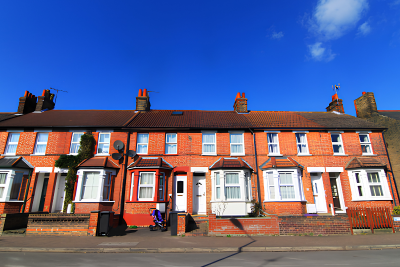
Edinburgh is a flat-dominated market — Victorian tenements and Georgian conversions are the core stock, with scarcer, premium houses in the suburbs. The most expensive postcode is EH3 (New Town), where averages approach £395,000.
| Measure |
Edinburgh |
Notes |
| Average price |
~£289,000 |
UK HPI, 2025; ESPC achieved prices higher (~£310k+) |
| Vs Scotland average |
~£192,000 |
Edinburgh ~50% above |
| Time to agree a sale |
~20–22 days |
One of the UK's fastest markets (ESPC) |
| Springbok cash sale |
~80% of market value (up to 95% Fixed Price™) |
7–21 days, no Home Report |
Prices: UK HPI / Registers of Scotland and ESPC, 2025, indicative. Open-market "time to agree" excludes the weeks of missives and conveyancing a cash sale removes.
Selling a house fast in Edinburgh: how the Scottish process works
- The Home Report. Before an Edinburgh property can be marketed, the seller must commission a Home Report — a Single Survey, Energy Report and Property Questionnaire — typically £350–£700, taking one to two weeks. When you sell to Springbok, no Home Report is required.
- Offers over & closing dates. Edinburgh homes are usually marketed "offers over", with sealed bids by a closing date. The sale only becomes binding once missives are concluded — strong for sellers who want certainty. We commit, missives conclude quickly, and it's locked in.
- LBTT, not Stamp Duty. Scotland uses Land and Buildings Transaction Tax (Revenue Scotland); second-home buyers also pay the Additional Dwelling Supplement, now 8% — a buyer-side cost that doesn't reduce what you receive.
- Different lettings law. Edinburgh landlords are under Scotland's Private Residential Tenancy regime, not the Renters' Rights Act that applies in England.
Why Edinburgh sellers choose a fast sale
- Tenement factoring and shared repairs. Flats sharing a roof, stair or walls can be held up by factoring bills, common-repair liabilities or a statutory repair notice — expensive and slow on the open market, but not a barrier to a cash sale.
- Short-let owners exiting. Edinburgh is a short-term-let control zone, and whole-property Airbnbs now need planning permission and a licence — pushing many owners to sell.
- Landlords exiting. With the Additional Dwelling Supplement at 8% and a tighter tenancy regime, buy-to-let and student-HMO landlords near the University of Edinburgh, Napier and Heriot-Watt are selling up — we buy with tenants in place.
- Probate, divorce and chain breaks. The usual reasons a sale stalls — we step in within days. See inherited property.
Honest about the trade-off. A cash sale completes below full market value, so in a fast market like Edinburgh, if your flat is straightforward and you have time, the open market may net more. Where a cash sale earns its place is the harder cases — a tenement with factoring debts, a short-let you need to exit, a probate flat — where certainty and speed are worth more than the last few per cent.

 Freephone 24/7 Call: 0800 068 4015