
 Freephone 24/7 Call: 0800 068 4015








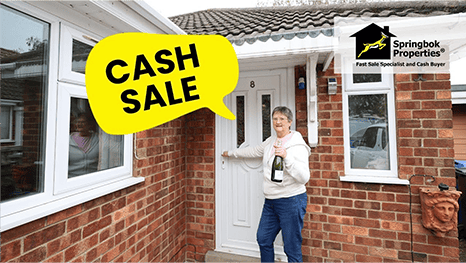

Is your house still for sale? Here’s the trap nobody warned you about
What this video is about
Your house has been on the market for months. The For Sale board is still there, viewings have slowed down, and you're wondering whether it will ever sell. According to Zoopla research reported in 2026, almost half of UK properties listed over the preceding three years failed to find a buyer — so you're far from alone. But being stuck isn't inevitable, and understanding why it happens is the first step to getting out.
This video explores four reasons why properties get stuck, and explains why repeatedly relisting without addressing the real issue can leave homeowners going through the same frustrating process again. Whether you're preparing to sell, struggling to attract viewings, or thinking about switching agents, knowing the trap helps you avoid it.
Key takeaways
Nearly half of UK properties fail to sell. Zoopla data shows almost 50% of homes listed over a three-year period never found a buyer — being stuck is common, but it's not unavoidable.
Your estate agent's contract can limit your options. Tie-in periods mean you may be locked in for weeks even when viewings have dried up and the agent is already suggesting a price cut.
Waiting has a real financial cost. Every extra month on the market adds mortgage, council tax and insurance costs that quietly reduce what you'll actually walk away with.
A stale listing works against you. Buyers can see how long a property has been listed. The longer it sits, the more they assume something is wrong — and the harder they negotiate.
Switching agents without fixing the root cause rarely helps. If pricing or presentation is the real problem, a new board outside won't solve it. You'll likely end up in the same position a few months later.
What this video covers
- 1The hidden trap of being stuck on the market
- 2Why your estate agent's contract can leave you trapped
- 3The hidden cost of waiting for your house to sell
- 4How a stale listing can put buyers off
- 5Why switching estate agents might not solve the problem
- 6How to avoid getting trapped again
- 7What if your house still isn't selling?
- 8Alternative ways to sell your property
Full transcript
The hidden trap of being stuck on the market
Your house has been on the market for months. The For Sale board is still outside. Viewings have slowed, or perhaps stopped altogether. And you're beginning to wonder whether your property will ever sell.
So why is it still on the market? And why does getting out of this situation seem so difficult?
It might not simply be a case of waiting for the right buyer. There's a trap that many homeowners don't recognise until they're already caught up in it. It starts with an estate agent's contract, continues with the costs of waiting, and can become increasingly difficult to escape the longer your property sits unsold.
According to Zoopla research reported in 2026, almost half of UK properties listed for sale over the preceding three years failed to find a buyer. But what actually happens to the homeowners behind those listings?
Why your estate agent's contract can leave you trapped
When you sign with an estate agent, you sign a contract. That contract almost always includes a tie-in period — typically somewhere between eight and sixteen weeks — during which you can't simply leave.
By the time viewings have dried up and the suggestion to "consider a small reduction" comes along, you're often already committed. And if you do want to leave after the tie-in ends, you'll need to give notice — usually another two to four weeks.
This means that even when it's clear things aren't working, you can find yourself locked in for months, watching the days on market clock tick up while your listing goes stale.
The hidden cost of waiting for your house to sell
Every month your house sits unsold is a month you're still paying to own it. Mortgage payments, council tax, buildings insurance, utility bills if it's empty — these costs add up quickly.
For a property with a £1,000-a-month mortgage and typical running costs, six extra months on the market can cost £7,000 to £10,000 in holding costs alone. That's money that comes directly off whatever you eventually walk away with.
This is a cost that rarely gets mentioned when agents talk about "achieving the best price." The longer you wait for a higher offer, the more of that difference you're spending in the meantime.
How a stale listing can put buyers off
Buyers can see how long a property has been listed. Rightmove and Zoopla both show the date a property was first listed, and buyers use that information.
The longer a property sits, the more buyers assume there must be something wrong with it — even if there isn't. A property that's been on the market for six months gets viewed with more suspicion than one listed last week, regardless of whether anything has changed.
And that suspicion translates into lower offers. Buyers who might have offered asking price in week one will often offer five or ten percent below once they've seen the listing age. The stale listing doesn't just slow your sale — it actively reduces what you're likely to achieve.
Why switching estate agents might not solve the problem
The natural response to a house that isn't selling is to switch estate agents. New agent, fresh start, different approach.
But if the reason the property hasn't sold is the asking price, or the way it's been presented, or a structural issue that viewings keep surfacing — changing the agent doesn't fix any of that. The same problems will follow the listing to the new agent, who will eventually reach the same conclusions.
Switching agents resets the clock on the tie-in period and often means another few months before anything changes. If you're going to switch, it's worth being clear about what you're changing and why — otherwise you're likely to end up in the same position a few months down the line.
How to avoid getting trapped again
The best way to avoid this trap is to address the real reason your property isn't selling before you relist it. That might mean a genuine price reduction based on comparable sales, not a token cut that keeps you above the market. It might mean professional photography or presentation work. Or it might mean having an honest conversation with your agent about what's actually putting buyers off.
If you don't know why your house isn't selling, ask. Ask your agent for feedback from every viewing. Ask what comparable properties sold for and how yours compares. The answer is usually there — it just isn't always comfortable to hear.
What if your house still isn't selling?
If you've been on the market for several months, had viewings but no offers, or had offers that fell through, it's worth stepping back and asking a harder question: is the open market the right route for this property, at this time?
Not every property suits the open market in every circumstance. A property that needs work, or that has been stigmatised by a long time on the market, or where the seller needs certainty over the highest possible price, may achieve a better overall outcome through a different route.
Alternative ways to sell your property
There are alternatives to the traditional estate agent route. A direct cash sale offers certainty and speed, typically completing in two to four weeks, though the price will be below market value. A fixed-price sale through a specialist like Springbok can achieve a price closer to full market value, with a pre-agreed figure and no estate agent fees.
Neither route is right for everyone. But if your house has been on the market for months and nothing is working, understanding your options is more useful than simply waiting and hoping something changes.
If you'd like to explore an alternative, Springbok Properties offers different selling routes depending on your priorities. You can find out more at springbokproperties.co.uk or call 0800 068 4015 for a free, no-obligation conversation.
This transcript is based on the video script, so the wording may differ slightly from the final video.
Common questions
How long is too long for a house to be on the market?
There's no single threshold, but most buyers start to view a property with suspicion after 8–12 weeks. After six months, a property is widely considered stale, and offers — if they come — tend to be significantly below asking price. If your property has been listed for more than three months with few viewings and no offers, it's worth reviewing the price and presentation before relisting.
Can I leave my estate agent if my house isn't selling?
Yes, but you'll need to check your contract first. Most estate agent contracts include a tie-in period — typically 8 to 16 weeks — during which you cannot leave. After that, you'll usually need to give notice of 14 to 28 days. Always check your agreement before instructing a new agent, or you could find yourself liable to pay two sets of fees.
Does reducing the asking price always help a house sell?
A price reduction helps if the price was the reason buyers weren't making offers. But if the issue is presentation, access for viewings, or a specific problem that viewings keep surfacing, reducing the price alone may not be enough. The key is understanding why the property hasn't sold before deciding what to change.
What does it actually cost to leave a house unsold for six months?
It depends on your circumstances, but for a property with a typical mortgage and running costs, six extra months can add up to £7,000–£10,000 in holding costs — mortgage interest, council tax, insurance, and utilities. That figure comes directly off your net proceeds, so it's worth factoring it into any decision about whether to wait for a higher offer.
What are the alternatives if my house still won't sell?
The main alternatives to the traditional open market are: a direct cash sale (faster and more certain, but at a discount to market value), a specialist fixed-price sale (pre-agreed price closer to market value, no fees), or selling at auction (transparent process, set timescale, but outcome not guaranteed). Springbok Properties offers both cash sale and fixed-price routes — you can get a free, no-obligation conversation by calling 0800 068 4015.


